Get Log Home Chinking in Long Island, NY
Local contractors in Long Island, NY, can help property owners with log home chinking to seal gaps, prevent drafts, and maintain structural integrity.
If you own a log home or are considering building one in Long Island, NY, maintaining the integrity of the structure is essential. Log home chinking services are a practical step to ensure your property remains well-insulated and protected against the elements. Properly applied chinking can help prevent drafts, reduce moisture intrusion, and preserve the natural beauty of your home. Exploring local contractors who specialize in log home chinking can provide valuable insights into the best approaches for your specific property, helping you plan a project that meets your needs.
Property owners in the Long Island area often seek out experienced service providers to handle log home chinking due to the region’s varied climate and the importance of upkeep. Comparing local options allows for a better understanding of the services available and what might work best for your home. Keep reading to learn how connecting with qualified local contractors can support your project planning and ensure your log home remains durable and attractive for years to come.
- Log Home Chinking Repair - when the existing chinking starts to crack or deteriorate, allowing drafts or moisture to enter.
- Chinking Replacement - for log homes with aging or damaged chinking that needs a full removal and new application.
- Sealing Gaps and Cracks - to improve energy efficiency and prevent pests from entering through small openings.
- Custom Chinking Installation - when building a new log home or adding extensions that require precise, professional chinking application.
- Maintenance and Restoration - to preserve the structural integrity and appearance of a log home in neighborhoods across Long Island, NY.
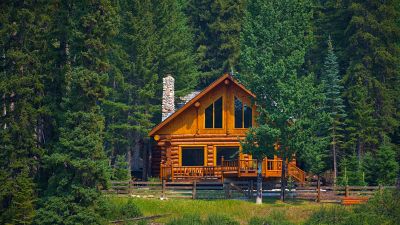
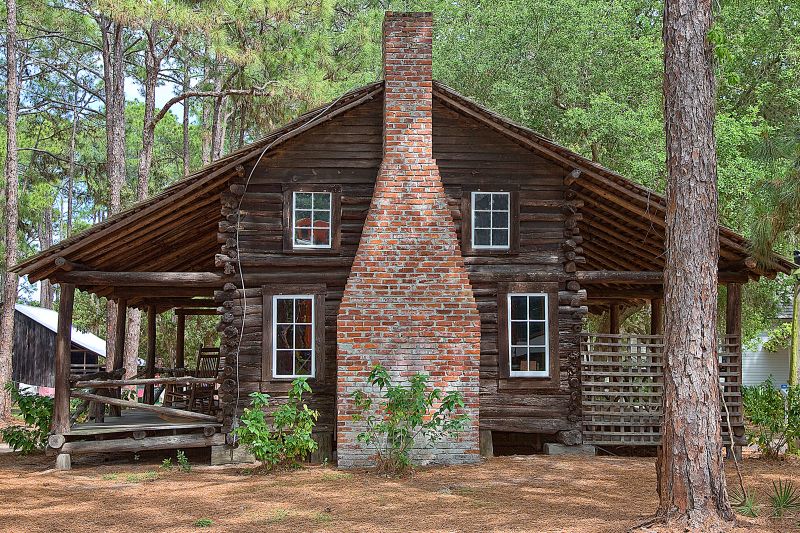
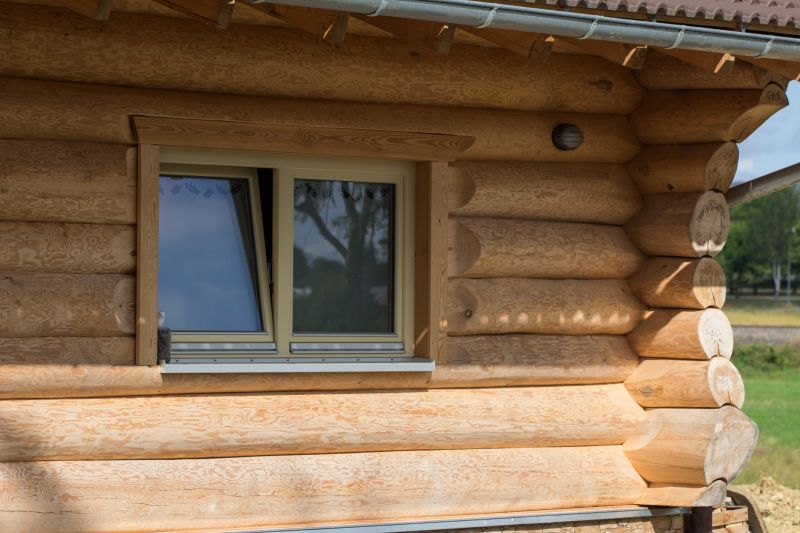
Log home chinking services involve the installation, repair, and sealing of the material used to fill the gaps between the logs of a log home. Over time, chinking can deteriorate due to exposure to weather, temperature fluctuations, and natural aging. Proper chinking helps maintain the structural integrity of the home, prevents drafts, and keeps out moisture that can lead to wood rot or mold growth. Service providers specializing in log home chinking use various materials, such as polyurethane, silicone, or traditional cement-based compounds, to ensure a tight, durable seal that preserves the home’s appearance and function.
Many common problems signal the need for chinking work. Cracks or gaps appearing between logs can compromise insulation and allow air and water infiltration. You might notice increased heating or cooling costs, drafts, or moisture buildup inside the home. Additionally, if the chinking appears cracked, loose, or missing in areas, it can lead to more serious issues like wood decay or pest intrusion. Addressing these issues promptly with professional chinking repairs can help prevent costly damage and extend the lifespan of a log home.
Chinking services are typically sought for properties such as mountain cabins, rural retreats, and custom-built log homes. These homes often feature exposed wood and natural materials that require ongoing maintenance to stay weather-tight. Log home owners who notice drafts, water leaks, or deterioration around the logs are good candidates for chinking work. Service providers can assess the condition of existing chinking and recommend repairs or replacements to restore the home’s energy efficiency and protect its structural components.
Homeowners in areas with significant seasonal changes or high humidity levels often find log home chinking services essential. Whether dealing with aging chinking that has become brittle or gaps caused by settling and shifting, professional contractors can help restore the home’s seal. Regular maintenance and timely repairs can keep a log home comfortable and protected from the elements. Contacting local service providers ensures that experienced professionals can evaluate the specific needs of a property and provide effective solutions tailored to each home’s unique conditions.
The overview below groups typical Log Home Chinking projects into broad ranges so you can see how smaller, mid-sized, and larger jobs often compare in Long Island, NY.
In many markets, a large share of routine jobs stays in the lower and middle ranges, while only a smaller percentage of projects moves into the highest bands when the work is more complex or site conditions are harder than average.
Smaller Repairs - Typical costs for routine chinking repairs on log homes often range from $250 to $600 for many smaller jobs. Most projects in this range involve patching or sealing localized areas of damage or deterioration.
Moderate Repairs - Larger, more involved repairs such as replacing sections of chinking or addressing multiple cracks usually fall between $600 and $1,500. Many projects of this size are common for homeowners seeking to maintain their log homes.
Full Chinking Replacement - Complete removal and replacement of chinking can cost between $2,000 and $5,000 or more, depending on the size of the home and the extent of work needed. Fewer projects reach the higher end of this range, which is typical for extensive or custom jobs.
Custom or Complex Projects - Very large or intricate chinking projects, such as those involving historic log homes or detailed craftsmanship, can exceed $5,000. These are less common but represent the upper tier of typical costs for specialized services by local contractors.
Actual totals will depend on details like access to the work area, the scope of the project, and the materials selected, so use these as general starting points rather than exact figures.
Log Cabin Restoration - Local contractors experienced in restoring historic log cabins often perform chinking to seal and preserve the structure’s integrity.
Wood Siding Repair - Professionals skilled in repairing and sealing wood siding use similar techniques and tools as those for log home chinking to ensure durability.
Timber Frame Building - Building and maintaining timber frame structures involves planning and sealing joints, paralleling the skills needed for log home chinking.
Exterior Wood Treatments - Applying protective finishes to outdoor wood surfaces requires knowledge of wood properties and sealing methods akin to chinking work.
Deck and Porch Sealing - Sealing and waterproofing wooden decks and porches involve similar planning and application techniques as log home chinking.
Interior Wood Paneling Sealing - Sealing interior wood paneling to prevent drafts and moisture intrusion shares tools and skills with exterior log chinking projects.
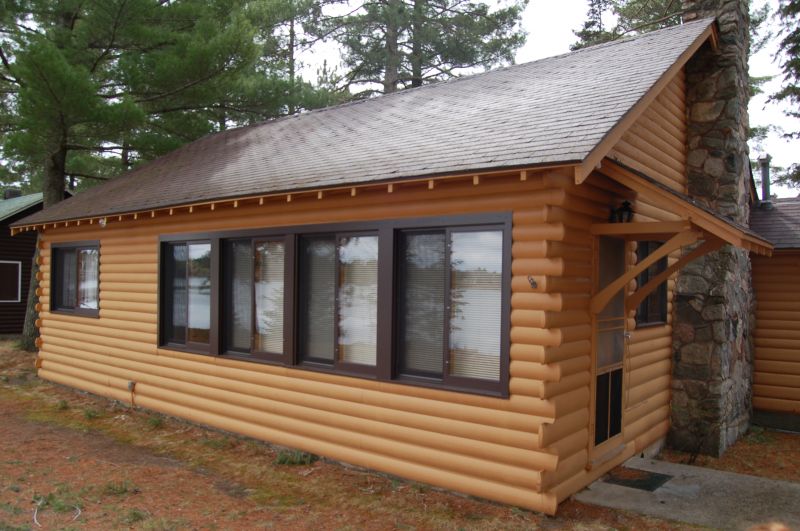
When comparing service providers for log home chinking, it’s important to consider their experience with similar projects. Homeowners should look for local contractors who have a proven track record of working on log homes or structures with comparable materials and design features. An experienced pro will understand the unique challenges that come with log homes, such as working with natural wood and ensuring a tight seal that lasts. Asking for examples of past projects or references from previous clients can help gauge their familiarity with log home chinking and their ability to handle specific requirements effectively.
Clear, written expectations are vital when choosing a contractor for log home chinking services. Homeowners should seek out providers who can offer detailed descriptions of the work scope, materials used, and the steps involved in the process. This clarity helps prevent misunderstandings and ensures that everyone is aligned on the project’s goals. Reputable service providers will be transparent about what they will deliver, providing written estimates or proposals that outline the work involved, so homeowners can compare options confidently and make informed decisions.
Effective communication and reputable references are key indicators of a dependable local contractor. Homeowners should look for service providers who are responsive and willing to answer questions thoroughly, demonstrating professionalism and a commitment to customer service. Additionally, asking for references or reviews from previous clients can provide insight into the contractor’s reliability, quality of work, and how well they communicate throughout the project. It’s important to remember that this site introduces homeowners to local pros who can perform the work, not that it performs the work itself, so taking the time to verify these qualities helps ensure a smooth and successful project.
Property owners in Long Island, NY use Log Home Chinking services for practical projects around their homes and businesses. This guide focuses on everyday jobs and straightforward project options.
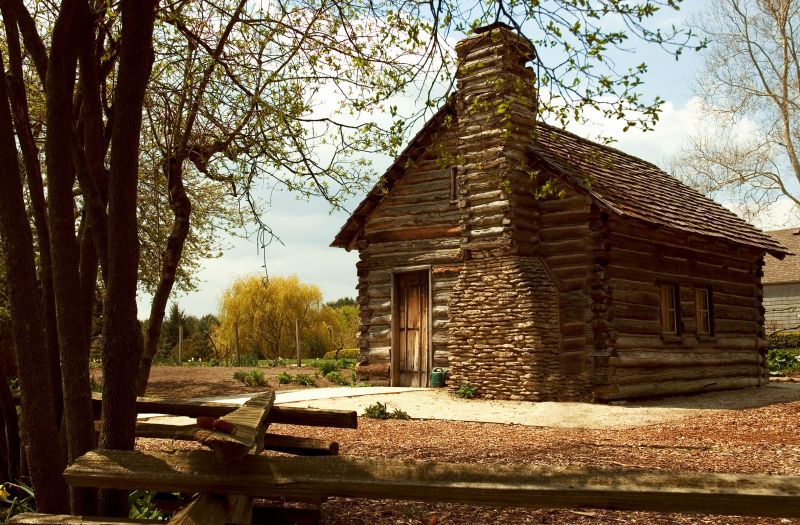
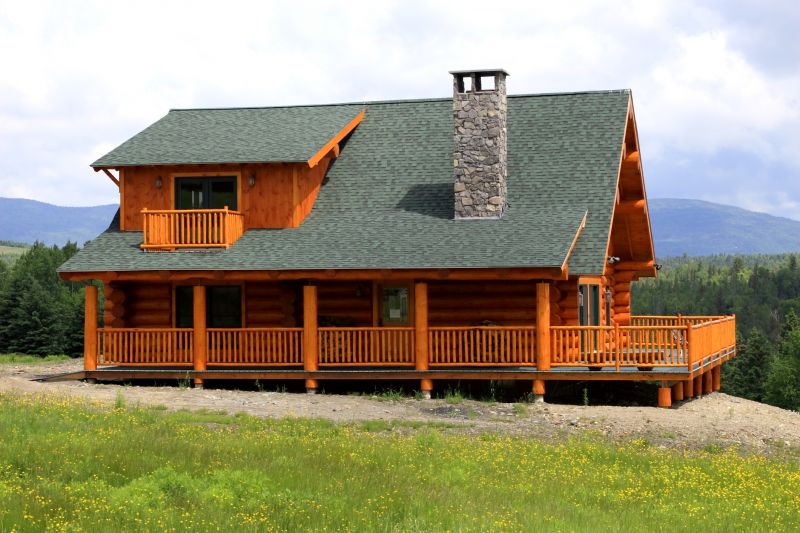
Log home owners in Long Island, NY often seek chinking services when they notice gaps or cracks developing between the logs, which can compromise the home's insulation and appearance. Over time, exposure to the elements and natural settling can cause the chinking to deteriorate, making it necessary to restore the seal to maintain energy efficiency and prevent moisture intrusion. Property owners may also look for local contractors to update or replace worn-out chinking during routine maintenance or before the colder seasons to ensure their home remains comfortable and protected.
Additionally, those undertaking repairs after weather events or settling issues might require professional assistance to properly reseal their log homes. Whether addressing small cracks or larger areas of damage, property owners in Long Island often turn to experienced service providers who specialize in log home chinking. These local contractors can help improve the home's structural integrity and aesthetic appeal, making it a worthwhile investment for maintaining the longevity and value of their property.
What is log home chinking? Log home chinking is the process of sealing gaps between logs to improve insulation and prevent drafts. It helps maintain the structural integrity of a log home in Long Island, NY area.
Why should I consider re-chinking my log home? Re-chinking can prevent moisture intrusion, reduce energy loss, and preserve the appearance of your log home by addressing cracks and deterioration in existing chinking.
What types of chinking materials are used for log homes? Common materials include latex-based, polyurethane, and cementitious chinking, each offering different durability and aesthetic options suitable for local climates.
How do I find local contractors for log home chinking services? You can contact service providers in your area who specialize in log home maintenance and restoration to compare options and find experienced local contractors.
What should I ask when hiring a log home chinking professional? Inquire about their experience with log homes, types of materials used, and previous projects to ensure they are knowledgeable about the specific needs of log home chinking in Long Island, NY.
Preventing drafts and leaks - property owners can improve energy efficiency by sealing gaps in log home chinking, helping to maintain comfortable indoor temperatures.
Restoring appearance and value - local contractors can refresh worn or cracked chinking to enhance the look and curb appeal of a log home.
Preparing for seasonal changes - property owners can ensure their log homes are properly sealed before winter or rainy seasons to protect against moisture intrusion.
Repairing damage after storms or wear - local pros can fix cracks or deterioration caused by weather or age to keep the home secure and well-maintained.
If you are thinking about Log Home Chinking for a property in Long Island, NY, this guide is meant to help you understand the work, the typical project types, and how different options might fit your plans.
When you are ready, you can use the quote form on this page to share a few details about your project. From there, local pros can review the basics and respond with options that match what you have in mind.